
How to Maximize Your Tire Lifespan: 8 Smart Ways to Make Your Tires Last Longer
Your tires have one job: keep you connected to the road. They don't ask for much in return, just a little attention every now and then.
Ignore them, and they'll let you know by
wearing out faster, hurting your fuel efficiency, or making every drive feel
less comfortable.
How can you maximize your tire lifespan?
In short, the best way to maximize your tire lifespan is to maintain the
correct tire pressure, rotate your tires every 5,000–7,500 miles, keep your
wheels properly aligned and balanced, inspect your tires regularly, and avoid
aggressive driving habits.
At Bill Currie Ford, we strive to make
service easy and effortless. Whether you're commuting across Tampa, heading
along I-275, or planning your next Florida road trip, pairing smart tire care
with regular vehicle maintenance can help keep your Ford running smoothly and
your tires ready for the road.
Here are 8 things to know to make your
tires last longer!
1. How Does Tire Pressure Affect Tire Lifespan?
Think of your tires like a good pair of
running shoes. Too tight? Uncomfortable. Too loose? They'll wear out faster.
Driving with the wrong tire pressure is
one of the leading causes of premature tire wear.
When tires are underinflated, the outer
edges can wear down faster because more rubber contacts the road. Overinflated
tires can wear excessively in the center of the tread. Either way, you're
potentially replacing tires sooner than necessary.
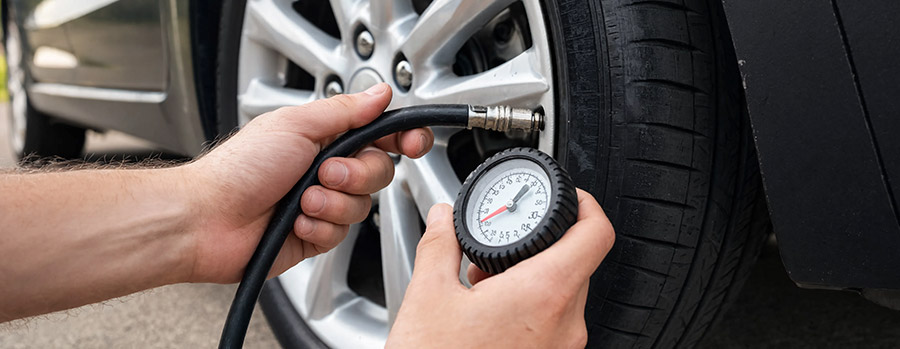
Checking your tire pressure once a month
and before long trips is one of the easiest ways to extend tire life.
Pro Tip: Always check your tire pressure when the tires are cold, and
follow the recommended PSI listed on your driver's door jamb, not the maximum
pressure printed on the tire itself.
2. How Often Should You Rotate Your Tires?
Here's a fun fact: your tires don't all
work equally hard.
On most vehicles, the front tires handle
steering, braking, and much of the vehicle's weight. That means they typically
wear faster than the rear tires.
Regular tire rotations help distribute
that wear more evenly, allowing all four tires to wear at a more consistent
rate.
Many Ford vehicles benefit from a tire
rotation every 5,000 to 7,500 miles, although the recommended interval can vary
by vehicle and tire setup. A tire rotation can often be completed alongside
your scheduled oil change and service visit.
Benefits of regular tire rotations
include:
·
Longer tire lifespan
·
More even tread wear
·
Better traction
·
Improved ride comfort
·
Delayed tire replacement
Your future self—and your wallet—will
thank you.
3. Does Wheel Alignment Help Tires Last Longer?
Absolutely.
If your vehicle pulls to one side or your
steering wheel isn't centered while driving straight, your wheel alignment may
be off.
Misaligned wheels can cause your tires to
scrub against the pavement instead of rolling smoothly, leading to uneven tire
wear and potentially shortening tire life.
A professional wheel alignment can help:
·
Prevent premature tire
wear
·
Improve steering response
·
Support consistent
handling
·
Improve driving comfort
·
Help protect suspension
components
If you've recently hit a pothole, curb,
or rough stretch of road around Tampa, it's a good idea to have your alignment
checked.
4. Why Is Tire Balancing Important?
Wheel balancing often gets overshadowed
by tire rotations and alignments, but it's also important for maximizing tire
lifespan.
Even a slight imbalance can create
vibrations that contribute to uneven tire wear and place unnecessary stress on
suspension components.
Signs your tires may need balancing
include:
·
Steering wheel vibration
·
Vehicle vibration at
highway speeds
·
Uneven tread wear
·
Reduced ride comfort
Balancing your tires whenever new tires
are installed—or when vibrations develop—can help provide a smoother ride and
more consistent tire wear.
5. Can Your Driving Style Wear Out Tires Faster?
Let's be honest.
Your tires remember every hard brake,
every rapid acceleration, and every fast corner you take.
Aggressive driving creates additional
friction and heat, which can accelerate tire wear. Hard braking and sharp turns
can also place additional stress on your tires, steering, and suspension
systems.
To make your tires last longer:
·
Accelerate smoothly
·
Brake gradually whenever
possible
·
Avoid sharp turns at high
speeds
·
Slow down over potholes
and rough roads
·
Avoid hitting curbs while
parking
Driving a little gentler can add miles to
your tires without adding a single minute to your commute.
6. What Are the Signs Your Tires Need Attention?
You don't have to wait for a flat tire to
know something's wrong.
Inspect your tires regularly for warning
signs like:
·
Uneven tread wear
·
Cracks in the sidewall
·
Bulges or bubbles
·
Embedded nails or screws
·
Low tread depth
·
Tire pressure warning
light
Catching these issues early can help
prevent more expensive repairs and help keep you safer on the road.
If you notice a significant bulge,
exposed damage, or another serious tire concern, have the tire inspected before
continuing to drive on it.
7. Can Suspension Problems Affect Tire Wear?
Yes, and many drivers don't realize it.
Your suspension system helps keep your
tires in contact with the road. Worn shocks, struts, or steering components can
contribute to bouncing, uneven contact, or irregular tire wear.
If your vehicle feels unusually bouncy,
drifts while driving, or experiences excessive vibration, a suspension
inspection may be necessary.
Healthy suspension components can help
maximize tire lifespan while supporting ride quality and vehicle control.
8. Does Routine Ford Maintenance Help Tires Last Longer?
Absolutely.
Your tires work together with your
brakes, steering, suspension, and other vehicle systems. Problems with these
components can affect how your tires contact the road and how quickly they
wear.
Following your Ford maintenance schedule
helps identify potential issues before they contribute to uneven tire wear or
premature tire replacement.
Think of routine maintenance as
preventative care for your entire vehicle—not just your engine.
Why Florida Drivers Should Pay Extra Attention to Tire Care
Living in Florida comes with plenty of
sunshine, but your tires don't always appreciate it.
Hot pavement can increase tire
temperatures, while sudden rainstorms make healthy tread depth especially
important for maintaining traction on wet roads.
Whether you're driving around Tampa,
commuting along I-275, heading across the Howard Frankland Bridge, or traveling
through the Tampa Bay area, routine tire maintenance can help you stay prepared
for Florida's changing road conditions.
Tire Maintenance Checklist
Keeping your tires in great shape doesn't
have to be complicated.
|
Maintenance Service
|
Recommended Frequency
|
Why It Matters
|
|
Check Tire Pressure
|
Monthly and before long trips
|
Helps prevent uneven tire wear
|
|
Tire Rotation
|
Every 5,000–7,500 miles, or as recommended
|
Promotes more even tread wear
|
|
Wheel Alignment
|
If pulling, uneven wear, or after an impact
|
Supports handling and tire life
|
|
Tire Balancing
|
With new tires or when vibrations occur
|
Helps create a smoother ride
|
|
Tire Inspection
|
Regularly and during service visits
|
Helps detect damage before it worsens
|
Get the Most Out of Every Mile at Bill Currie Ford
Your tires are one of the hardest-working
parts of your Ford, and a little preventative maintenance goes a long way.
Regular tire rotations, wheel alignments,
balancing, pressure checks, and inspections can help maximize tire lifespan,
support fuel efficiency, and provide a safer, smoother ride.
If you're looking for trusted Ford tire
service in Tampa, the service team at Bill Currie Ford, can help with
routine tire maintenance, wheel alignments, tire inspections, and new tire
installation.
Whether you're commuting through Tampa,
heading toward downtown, or preparing for a longer Florida road trip, keeping
your tires properly maintained can help you get more out of every mile.
Schedule your next tire service with Bill Currie Ford and keep your Ford rolling longer, safer, and smarter.