
Snowbird Season Is Here: How to Wake Up a Car That Sat All Summer in Tampa
Months of heat, heavy humidity, and
nearly daily afternoon storms can quietly take a toll on tires, fluids, rubber
parts, and more. The good news? Most of it is easy to spot once you know where
to look, and a little attention now can help you avoid surprises down the road.
Welcome back! If you're one of the many seasonal
residents rolling back into Tampa Bay this time of year, you already know the
routine. The mornings are cooler, traffic on Dale Mabry starts to pick up, and
the calendar fills up fast with beach days, tee times, and dinners with friends
you haven't seen since spring.
But before you grab the keys and head
out, there's one member of the household that might need a little extra
attention: the car that's been sitting in the garage, carport, or driveway
since April or May.
A vehicle that sits through a Tampa
summer has been through a lot, even if it never moved an inch. Months of heat,
heavy humidity, and nearly daily afternoon storms can quietly take a toll on
tires, fluids, rubber parts, and more. The good news? Most of it is easy to
spot once you know where to look, and a little attention now can help you avoid
surprises down the road.
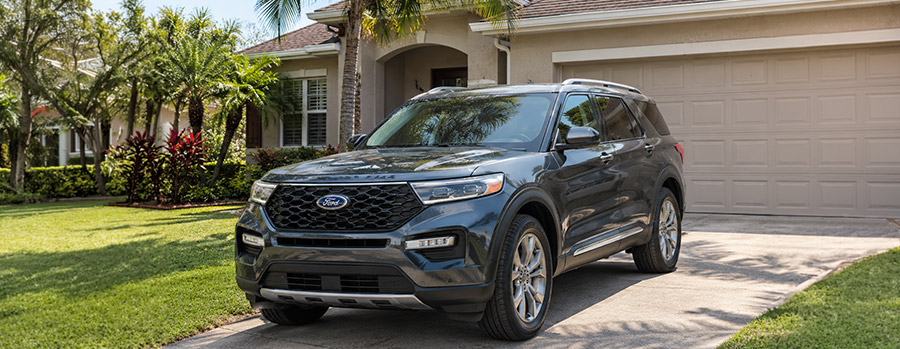
Here at Bill Currie Ford, we've been part of the Tampa
community since 1960. As a family-owned dealership, we've helped plenty of
seasonal neighbors get their vehicles back on track after a long summer nap.
Here's our friendly, no-stress guide to waking up your car the right way.
Why a Tampa Summer Is Tough on a Parked Car
It's easy to assume that a car that
isn't being driven isn't wearing out. In reality, vehicles are built to be
used. Driving circulates fluids, keeps seals lubricated, recharges the battery,
and keeps tires flexing evenly. When a car sits, all of that stops.
Add Tampa's summer weather to the mix,
and you've got a few extra challenges:
•
Heat: Garages and driveways get seriously
hot. Rubber, plastic, and fluids feel it just like we do.
•
Humidity: Moist air has a way of working into
cabins, vents, and even some fluids over time.
•
Storms: Summer downpours and the occasional
tropical storms can leave behind standing water, blown-in debris, and damp
spots you might not notice right away.
•
Critters: A quiet, sheltered car looks like a
cozy new home to insects, rodents, and other small visitors.
None of this means something is
definitely wrong with your car. It just means your vehicle deserves a good
once-over before you count on it for everyday driving.
Start With a Simple Walk-Around
Before you even open the door, take a
slow lap around the vehicle. You're simply looking for anything that seems out
of place:
•
Puddles or drips under the car. Make a
note of the color and location, but don't worry about figuring out what it is.
Just mention it to your service advisor.
•
Tires that look low or seem to sag on
one side.
•
Leaves, twigs, or nesting material
tucked around the windshield base, wheel wells, or engine bay.
•
Wiper blades that look cracked,
warped, or sticky.
•
Water lines, mildew, or damp carpet
when you peek inside.
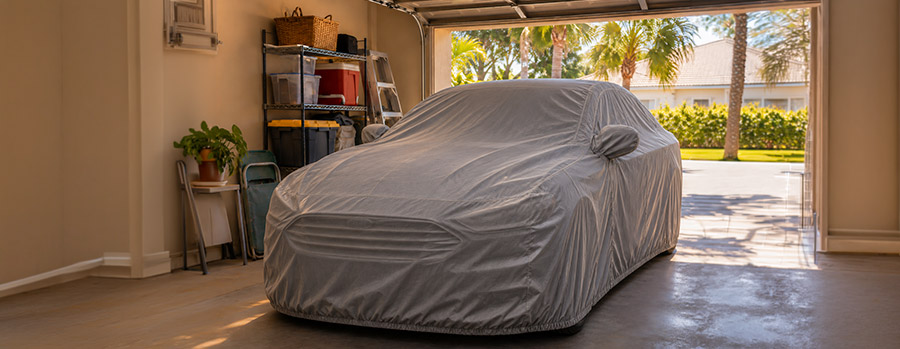
If anything looks unusual, it's perfectly okay to leave
the car parked and give us a call. A quick question is always better than a
guess.
Tires: Pressure, Flat Spots, and Sun Damage
Tires often take the biggest hit when
a car sits through the summer, so they deserve a close look.
Pressure Loss
Tires naturally lose a little air over
time, and big temperature swings can speed that up. After several months, it's
common for pressure to be noticeably below where it should be. Use a tire gauge
and compare the reading to the recommended pressure on the sticker by the
driver's door.
Flat Spots
When a tire stays in the same position
for months, the portion touching the ground may develop a flat spot. Temporary
flat spots sometimes disappear as the tires warm up. However, prolonged storage
can also cause more persistent deformation. If you notice a continuing
vibration or thumping, have the tires inspected before driving farther.
Cracking and Dry Rot
Florida sun and heat are tough on
rubber. Look at the sidewalls for small cracks or a dull, chalky look. Tires
can age even when the tread still looks fine, so if you spot cracking, have it
checked before your next long drive.
Fluids and Fuel After Months of Sitting
Your vehicle depends on several fluids
to run smoothly, and each one can be affected by time and heat:
•
Engine oil: Oil ages with time, not just miles. If
your last oil change was before you left town, or you're close to the time
interval listed in your owner's manual, now's a great time to take care of it.
•
Coolant:Check if the level in
the overflow reservoir sits between the marks. Never open a radiator or
coolant cap when the engine is warm.
•
Brake fluid: Brake fluid naturally absorbs moisture
over time, and Tampa's humidity doesn't help. A technician can check its
condition for you.
•
Fuel: Gasoline can deteriorate during
extended storage, especially in hot conditions. If your car starts normally and
runs smoothly, topping up with fresh fuel may be helpful. However, if the
engine runs roughly, hesitates, stalls, or struggles to start, have the fuel
system inspected rather than assuming normal driving will resolve the problem.
Your owner's manual is always the best guide for what to check and how
often, and our service team is happy to walk you through it.
A Quick Word About Your Battery
A battery that sat for months may be
weak or even completely drained. We covered this topic in detail in our recent
post on making your car battery last longer, so we won't repeat it here. If
your car cranks slowly, clicks, or the dash lights look dim, follow the
guidance in your owner's manual or give us a call before trying to jump-start
it.
Uninvited Guests: Critters and Nests
This one surprises a lot of folks. A
quiet, parked car is a very appealing spot for rodents, insects, and the
occasional lizard. Common hiding places include:
•
The engine air filter housing
•
The cabin air filter area
•
Under the hood near the back of the
engine bay
•
The trunk and spare tire well
Rodents in particular like to chew on
wiring and hoses. If you pop the hood and see nesting material, droppings, or
wires that look chewed, skip the do-it-yourself cleanup and let a technician
inspect things. Damaged wiring can cause all kinds of strange electrical
behaviour, and it's best handled properly.
That Musty AC Smell
You start the car, turn on the AC,
and... whew. If you're greeted by a musty, damp smell, you're definitely not
alone. Moisture can collect in the AC system and cabin air filter while a
vehicle sits in the humidity.
A fresh cabin air filter can make a
big difference, and our team can check whether the system needs a cleaning or
further attention. And since AC in Tampa is pretty much a year-round necessity,
it's smart to make sure it's cooling well now, long before the spring heat
rolls back in.
Brakes Need Checking
A car that sits for months may develop
surface rust on its brake rotors, particularly in Tampa's humid conditions.
Some surface rust may disappear during normal braking, but heavy corrosion or
sticking brake components require professional attention. Before driving, make
sure the brakes and parking brake release properly.
What you should pay special attention
to:
•
Grinding or scraping noises that don't
go away
•
The vehicle pulling to one side when
you brake
•
A soft, spongy, or low brake pedal
•
A brake warning light on the dashboard
If you notice any of these, have your
brakes inspected before getting back to driving.
Wipers, Lights, and the Little Things
Florida sun bakes wiper blades, so if
yours streak, chatter, or look cracked, it's time for a new pair. Top off the
washer fluid while you're at it. Winter mornings around Tampa Bay can bring
fog, and you'll want a clear view.
Grab a friend or family member and
check that your headlights, brake lights, turn signals, and hazard lights all
work. If your headlight lenses look cloudy or yellowed, ask about headlight
restoration. It can noticeably improve how well you see at night.
Your First Drive Back: Take It Easy
Once everything checks out, ease back
into things:
•
Start the car and watch the dashboard
for any warning lights that stay on.
•
Take a short drive around the
neighbourhood before hopping on I-275 or the Veterans Expressway.
•
Listen for new noises, feel for
vibrations, and notice any unusual smells.
•
Test the brakes gently in a quiet,
empty area.
If something doesn't feel right, give
us a call. There's no need to push it.
Planning Ahead for Next Season
If you'll be heading north again in
the spring, a little planning can make next season's return even smoother.
Check your owner's manual for its long-term storage recommendations. Park in a
shaded or covered spot when possible. Better yet, stop by before you leave and
talk with one of our service advisors about getting your vehicle ready to sit.
Book Your Welcome-Back Inspection at Bill Currie Ford
Not in the mood to crawl around your
driveway with a flashlight?
We get it. Let our service team handle
it for you. A multi-point inspection gives you a clear picture of your
vehicle's tires, fluids, brakes, battery, belts and hoses, lights, wipers, and
more.
We'll walk you through what we find in
plain language and let you decide what to take care of now and what can wait.
No pressure, just honest information so you can enjoy your season in Tampa with
peace of mind.
You'll find us at 5815 N Dale Mabry
Hwy, Tampa, an easy drive from Carrollwood, Town 'N' Country, Westchase, Egypt
Lake, Lutz, and South Tampa. Schedule your service online or give us a
call: 813-953-5128. We look forward to seeing you, and welcome back to Tampa!
This article is for general information only. Always
follow your vehicle's owner's manual and consult a qualified technician for
advice specific to your vehicle.